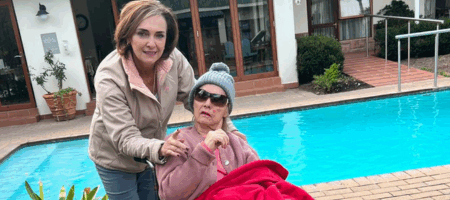
Respite Care for Caregivers: When Temporary Respite Care Is the Right Choice
Caring for an elderly, frail, or recovering loved one is one of the most meaningful things a family member can do. It can also become physically and emotionally demanding, especially when care is needed every day. Temporary respite care gives caregivers time to rest, attend to personal responsibilities, or recover themselves while their loved one receives safe short-term support.
At Sunninghill Hospitality Lodge, we understand that asking for help can feel difficult. Many caregivers wait until they are exhausted before considering respite care accommodation. In reality, short-term care support is not a sign that you have failed your loved one. It is often a responsible way to protect their wellbeing and your own.
What Is Temporary Respite Care?
Temporary respite care is short-term support for someone who needs assistance because of age, frailty, illness, disability, or recovery after medical treatment. It gives the primary caregiver a planned break while ensuring that their loved one is still cared for in a safe and supportive setting.
Respite care can take different forms. Some families arrange in-home support for a few hours. Others use daytime community care. In many cases, a short stay at a respite care facility or respite care accommodation is the most practical option, especially when the person needs supervision, help with daily routines, or a calmer recovery environment.
The goal is to support both the caregiver and the loved one. The caregiver gets time to breathe, rest, travel, attend appointments, or manage other family responsibilities. The guest receives care, comfort, routine, and companionship during that period.
Signs You May Need Short-Term Care Support
Many caregivers only look for temporary respite care when the situation has already become urgent. It is better to recognise the warning signs earlier. The need for help often builds slowly, and it can be easy to normalise constant pressure when you are focused on someone else’s needs.
Caregiver Burnout and Exhaustion
Caregiver burnout can show up as constant tiredness, irritability, poor sleep, anxiety, sadness, or feeling unable to cope. You may notice that your own health is declining, that you are missing appointments, or that you no longer have time to manage normal daily responsibilities.
These signs should not be ignored. A caregiver who is completely depleted cannot provide sustainable care. Temporary respite care gives you space to recover, reset, and return to your caregiving role with more energy and patience.
Your Loved One’s Needs Are Increasing
Respite care may also be needed when your loved one’s care needs become more demanding than the family can safely manage alone. This may happen because of frailty, reduced mobility, confusion, recovery after surgery, post-hospital weakness, or the need for more regular supervision.
If you are worried about falls, missed medication, bathing, meals, loneliness, or whether your loved one is safe when left alone, it may be time to consider short-term care support. A supervised environment can give everyone more confidence while the next stage of care is planned.
Life Events That Make Temporary Support Necessary
Even the most committed caregiver may need to step away for a short period. Work commitments, medical appointments, family emergencies, travel, procedures, or simple exhaustion can make continuous care unrealistic.
Temporary respite care can help during these moments. Instead of rushing to make arrangements in a crisis, families can plan a short respite stay so that their loved one is comfortable, safe, and supported while the caregiver attends to what needs to be done.
When Respite Care Accommodation Makes Sense
Respite care accommodation is often the right choice when a loved one needs more support than occasional home visits can provide. It is also useful when the caregiver needs proper rest, not only a few hours away.
Short-Term Stays for Recovery and Monitoring
A short-term respite stay may be helpful after a hospital stay, medical treatment, illness, or a period of weakness. Some guests do not need to remain in hospital, but they are not yet ready to be alone at home. They may need help with mobility, meals, daily routines, medication reminders, or general observation.
In this situation, respite care accommodation can provide a practical bridge. It gives the guest a calm place to regain strength while family members know that support is available.
Caregiver Relief Accommodation
Caregiver relief accommodation gives families a safe option when the main caregiver needs time away. This may be for rest, travel, medical treatment, work, or simply a short break from continuous responsibility.
For many families, this type of support brings emotional relief. The caregiver does not have to choose between their own wellbeing and their loved one’s safety. Both needs can be respected.
Respite Care Facilities for Elderly or Frail Loved Ones
Elderly or frail loved ones may need a setting where support is close at hand. This is especially important when there are mobility concerns, memory issues, weakness, or a higher risk of falls.
A respite care facility can offer structure, companionship, meals, assistance, and a more suitable environment than being alone at home. Our focus is on comfort, dignity, and patient-centred care in a non-clinical setting, so the stay feels supportive rather than institutional.
Types of Respite Care Available
There is no single form of respite care that suits every family. The right option depends on the loved one’s needs, the caregiver’s situation, and the length of support required.
In-Home Respite Care
In-home respite care involves someone coming to the home to assist for a few hours, a day, or a short period. This can work well when the person is comfortable at home and only needs light support or supervision.
However, in-home support may not be enough if the home is not practical for care, if the caregiver needs a complete break, or if the loved one requires more consistent help during the day and night.
Community-Based Day Support
Some families use day support services where a loved one receives care, activities, or social interaction during the day before returning home later. This can help with routine and companionship, particularly when full-time accommodation is not needed.
Day support may be useful for some families, but it does not always solve the need for overnight care, recovery support, or caregiver relief over several days.
Facility-Based Temporary Respite Care
Facility-based temporary respite care involves a short stay in a dedicated setting. This is often the most suitable option when the caregiver needs proper relief or when the loved one needs a more structured, supervised environment.
Respite care accommodation can support guests with meals, comfort, daily assistance, routine, companionship, and access to a care team. It can also be helpful for families who live far away, are managing hospital discharge, or need a reliable temporary care option in Johannesburg.
Benefits of Temporary Respite Care
Temporary respite care supports both sides of the caregiving relationship. It gives caregivers relief while helping loved ones feel safe, respected, and cared for.
Benefits for Caregivers
Caregivers need rest to continue caring well. A short respite stay can give you time to sleep, recover, see to your own health, spend time with other family members, or manage responsibilities that have been pushed aside.
It can also reduce resentment and emotional fatigue. When support is shared, caregiving becomes more sustainable. You can return to your loved one feeling more present, patient, and steady.
Benefits for Loved Ones
For the person receiving care, temporary respite care can offer safety, companionship, and a change of environment. A loved one who has been isolated at home may benefit from attentive support and a structured routine.
A short stay can also help during recovery after illness, surgery, or treatment. With the right support, guests can rest, eat well, receive assistance with daily needs, and feel less anxious during a vulnerable stage.
Benefits of a Supportive Accommodation Setting
A supportive accommodation setting can feel less clinical than a hospital and more manageable than home when care needs are high. Privacy, comfort, dignity, and calm surroundings all matter during recovery or frailty care.
We see respite care as part of a broader medical journey. Our role is to offer a peaceful, respectful environment where guests and families feel supported, not overwhelmed.
How to Choose the Right Respite Care Facility or Accommodation
Choosing a respite care facility should be practical and personal. Families should look beyond availability and ask whether the environment truly suits their loved one’s needs.
Assess the Level of Care Needed
Start by considering what your loved one needs help with. This may include mobility, meals, medication routines, bathing, dressing, continence care, companionship, or support after hospital discharge.
If the person is frail, recovering, or anxious about being alone, a facility-based option may be more appropriate than occasional help at home. The level of support should match the person’s condition, not only the caregiver’s schedule.
Consider the Setting
The care environment matters. Look for a place that feels calm, clean, respectful, and comfortable. Accessibility, privacy, safety, meals, outdoor space, and visiting arrangements can all affect how settled your loved one feels.
A good respite care accommodation provider should understand that guests are not only receiving care. They are also adjusting to a temporary stay away from home, which requires patience, reassurance, and kindness.
Ask Practical Questions
Before making a decision, ask about the length of stay, staff availability, meals, daily routines, family communication, emergency procedures, and proximity to medical services. It is also worth asking what the guest should bring and how the team will get to know their preferences.
These questions help avoid uncertainty. They also make the transition easier for the caregiver and the guest.
Cost and Planning Considerations
The cost of temporary respite care depends on several factors, including the length of stay, the type of room or accommodation, and the level of support needed. Some families only need a short break. Others need a longer stay while recovery or longer-term care plans are arranged.
Typical Cost Factors
Cost is usually influenced by how long the stay is, what daily support is required, and what is included in the accommodation. Meals, laundry, care support, room type, transport needs, and medical-related assistance may all affect the final arrangement.
Families should ask for clear information upfront so that they can plan properly and avoid surprises.
Planning Ahead
It is wise to explore respite care facilities before there is a crisis. When families wait until a caregiver is overwhelmed or a loved one’s condition suddenly changes, decisions become rushed and stressful.
Planning ahead gives you time to ask questions, understand the options, and choose respite care accommodation that feels right. It also means you have a trusted option ready when short-term support is needed.
Finding the Right Time to Ask for Help
The right time to ask for help is often earlier than most caregivers think. You do not need to wait until you are burned out, unwell, or unable to cope. Temporary respite care can be used proactively to protect the wellbeing of the whole family.
If you are feeling stretched, worried about your loved one’s safety, or unsure how long you can continue without support, it may be time to consider a short respite stay. Asking for help is not giving up. It is choosing a safer, more sustainable way to care.
A Supportive Short-Term Option for Families
Temporary respite care gives caregivers time to rest while ensuring that elderly, frail, or recovering loved ones are supported with dignity. It can help during caregiver burnout, post-hospital recovery, family emergencies, travel, or any period where extra care is needed.
We provide respite care accommodation in a calm, non-clinical environment where guests are treated with patience, respect, and personal attention. Whether you need short-term care support for a few days or a longer respite stay, our aim is to help your family feel more secure during the care journey.
Caring for someone you love should not mean carrying everything alone. The right support can protect both the caregiver and the person receiving care.