Frail Care Accommodation Explained: What It Is and When It’s Needed
There is a moment many families know all too well. It does not always arrive dramatically. Sometimes it creeps in slowly.
A parent starts needing help to get to the bathroom. Medication gets missed. Meals become irregular. A fall shakes everyone’s confidence. Memory slips become more frequent. And suddenly the question no one wanted to ask is sitting in the middle of the room: is home still the safest place?
That is often where frail care accommodation enters the conversation. It is not about giving up on independence. It is about recognising when a safer, steadier and more supported environment may be the kinder option.
What Frail Care Accommodation Actually Means
Frail care accommodation is designed for people who need ongoing help with daily living because of physical weakness, reduced mobility, illness, recovery complications or cognitive decline. It is not simply a place to stay. It is structured support in an environment built around safety, attentiveness and dignity.
In plain terms, frail care is for someone who can no longer manage well on their own, even with occasional help. That does not always mean the person needs a hospital environment. In many cases, what is needed is a calm, practical place where care is woven into the rhythm of the day.
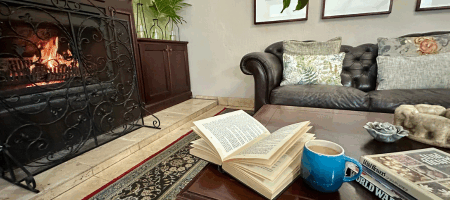
The right setting should feel nurturing rather than cold or clinical. Comfort, privacy, routine and human warmth all matter, especially when someone is feeling vulnerable or dependent on others for the first time.
Who Frail Care Is For
People often assume frail care is only for the very elderly. Not necessarily.
A guest may need frail care after an illness, a serious fall, surgery, a neurological event or because of a progressive condition that makes day-to-day life harder. In other cases, a person may still be mentally sharp but physically too vulnerable to live independently without risk.
Frail care can be appropriate when someone needs:
- help bathing, dressing or moving around safely
- support with medication routines and regular monitoring
- supervision because of confusion, forgetfulness or disorientation
- nutritional support and consistent meals
- round-the-clock availability of carers in case something changes quickly
- a calmer place to recover after a hospital stay, fall or illness
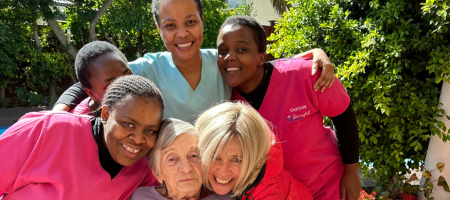
In our environment, this kind of care is approached with patience and respect. The aim is not only to help with tasks, but to protect the person’s dignity while making daily life feel safer and more manageable.
The Signs It May Be Needed
Families do not usually arrive at this decision all at once. More often, they piece it together from warning signs that become harder to ignore.
You may want to look more closely if your loved one is:
- falling, stumbling or becoming unsteady
- missing medication or taking it incorrectly
- losing weight because meals are skipped or difficult to prepare
- neglecting bathing, grooming or basic routines
- spending long periods alone and becoming withdrawn
- struggling to transfer from bed to chair or use the bathroom safely
- showing memory lapses that now affect safety, not just convenience
- leaving family members exhausted, worried and permanently on standby
That last point matters. Frail care is not only about the person receiving support. It is also about the strain on the people trying to hold everything together. When family members are constantly anxious, sleep-deprived or rushing between responsibilities, the situation can become unsafe for everyone.
Frail Care vs Ordinary Accommodation
This distinction is important.
Standard accommodation may provide comfort, privacy and convenience. Frail care adds hands-on support and supervision. That means experienced carers, structured routines where needed, help with daily activities and a setting designed around reduced mobility or more complex needs.
The real question is not, “Does my loved one need a nicer room?” It is, “Do they need care woven into the day?”
For someone who needs help getting up safely, remembering medication, eating regularly, bathing with dignity or calling for assistance when something feels wrong, ordinary accommodation is usually not enough. A frail care setting should combine the comfort of a restful stay with the reassurance of practical support close at hand.
Why Families Delay the Decision
Families often delay the decision because it feels heavy. Guilt gets involved. People worry that accepting care means giving up independence or admitting that they can no longer cope.
In reality, the right frail care setting can preserve more independence than a struggling home setup. A person who is unsafe, undernourished, isolated or anxious at home is not truly independent. They are simply unsupported.
Good frail care makes room for routine, comfort, privacy and human connection. It can also ease family relationships. When loved ones are no longer overwhelmed by the mechanics of care, they can go back to being daughters, sons, spouses and companions.
What to Look for in a Frail Care Setting
Not all care environments feel the same, and families can usually sense that quickly. The right place should be practical, but it should also feel warm. Efficiency matters, but so does kindness.
When comparing frail care accommodation, look for:
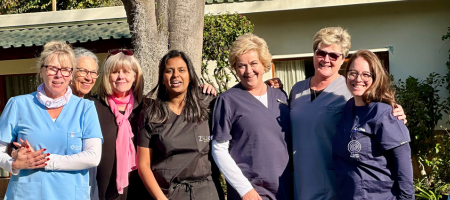
- 24/7 support from an experienced team
- help with medication routines, mobility, hygiene and meals
- private, comfortable rooms
- clear communication with loved ones
- emotional warmth, not only task-based care
- accessible room and bathroom features where needed
- proximity to hospitals, doctors and therapists when required
A supportive frail care environment should reduce daily stress for both the guest and the family. That means fewer rushed arrangements, fewer unsafe moments and more confidence that the person is being looked after with care and respect.
How a Supportive Environment Can Help
Frail care is not only about preventing falls or making sure medication is taken. Those things are important, but the wider environment also matters.
A steady routine can help someone feel more settled. Regular meals can support strength. Help with personal hygiene can protect dignity. A calm room can make rest easier. Friendly faces and patient communication can reduce fear and loneliness.
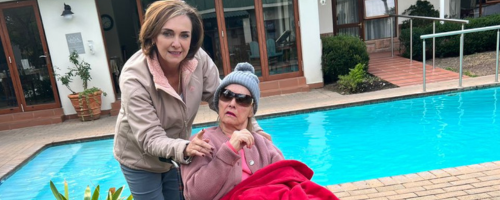
For families, the benefit is often peace of mind. There is comfort in knowing that someone is nearby, that daily needs are not being missed and that the person they love is not facing a difficult stage alone.
A Final Thought
Needing frail care is not a failure. Not of ageing. Not of family. Not of love.
Sometimes love looks like doing everything yourself. Sometimes it looks like recognising when a safer, steadier and more supported environment is the kinder option.
Often, that decision brings something unexpected with it: peace. For the person receiving care, yes. But also for everyone who has been carrying the worry.