Preparing for a Recovery Lodge Stay: What to Pack and How to Plan
Leaving hospital is supposed to feel like the easier part. Often, it does not feel that way at all.
You may be relieved, but also sore, tired, foggy from medication and unsure how the next few days should work. A recovery lodge stay can make that transition feel more manageable. Not effortless, but gentler, calmer and better supported.
A little planning goes a long way. When the basics are arranged before arrival, the move from hospital to recovery accommodation can feel less rushed and far less overwhelming.
Start With the Basics: Know What Kind of Stay You Are Having
No two recovery lodge stays look exactly the same.
Some guests arrive after surgery. Others are continuing recovery after trauma, treatment, a cardiac event, a neurological episode or a medical procedure. Some only need support for a few days. Others need a longer period before they are ready to return home safely.
Before you pack, get clear on what your doctor has advised and what kind of support you will need each day. That may include help with mobility, meals, medication routines, wound care reminders, transport, follow-up appointments or simply a quieter place to rest while your body recovers.
A recovery lodge should not feel like a hospital ward, but it should still understand the practical needs that come after hospital discharge. That balance is what makes planning easier.
What to Confirm Before Arrival
Try to have the important details sorted before discharge or transfer. It does not need to be complicated, but it should be clear.
- Your arrival date and expected time
- Your current medication list and dosage instructions
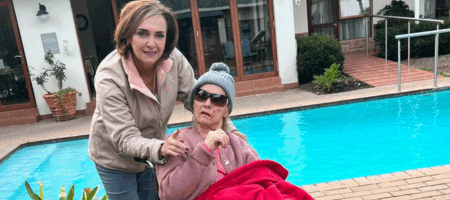
- Any mobility needs, such as wheelchair use, walking assistance or help with stairs
- Dietary requirements, allergies or food sensitivities
- Follow-up appointments that have already been booked
- Whether transport from hospital or a clinic needs to be arranged
- Who the main family contact will be
These details help the first day run more smoothly. When the team already understands your needs, it is easier to settle you in, keep your routine organised and reduce unnecessary back and forth during a time when you may be tired.
If family members are involved, it also helps to agree on one main contact person. Too many separate updates can become stressful, especially when the guest needs rest more than conversation.
What to Pack
People often overpack the wrong things and forget the items that make the biggest difference. The goal is not to bring your whole home with you. The goal is to bring what supports comfort, dignity and a simpler recovery period.
Start with loose, comfortable clothing that will not irritate wounds, dressings or sensitive skin. Button-up or front-opening tops can be especially useful after certain surgeries because they are easier to put on and take off without stretching or twisting too much.
Pack underwear, sleepwear, socks and slippers with grip. A light gown or robe can be useful if you like having an extra layer nearby. Comfortable clothing matters because recovery often includes small movements that feel bigger than expected.
Bring all prescribed medication in clearly labelled packaging. Also bring discharge papers, scripts, medical notes, your ID, medical aid information and any instructions given by your doctor or specialist.
Then add the useful extras:
- A phone charger with a long cable
- Glasses, hearing aids or denture supplies if relevant
- Basic toiletries you actually like using
- Lip balm, tissues and wet wipes
- A small bag for appointment trips
- A notebook for instructions, questions and appointment notes
- A comfort item that helps you settle, even if it seems minor
Small comforts can make a real difference. Recovery can feel unfamiliar, and familiar items help some people feel more like themselves.
Do Not Pack as if You Are Going Off-Grid
This part surprises some people. A recovery lodge stay is not the same as preparing for a remote trip where you need to carry everything yourself.
Meals, room support and practical help should form part of the stay, especially when the purpose is recovery rather than ordinary travel. That means you can focus on personal, medical and comfort items rather than packing food, bedding or every possible household supply.
The best packing approach is simple. Bring what only you can provide: your medication, your documents, your personal toiletries, your preferred clothing and the items that help you feel calm. Let the accommodation setting carry the rest where it reasonably can.
Plan for the First 48 Hours
The first day or two after discharge can feel blurry. Build your plans around that.
Expect to rest more than you think. Keep communication simple. If family members want updates, decide who will send them so that you are not answering messages while exhausted. If you are helping someone else settle in, handle the admin quietly in the background and keep the environment calm.
Try not to overfill the first 48 hours with visitors, calls or unnecessary decisions. The body often needs sleep, fluids, medication routines, light meals and reassurance more than anything else.
This is also the time to notice how recovery is settling. Are you moving comfortably enough? Are meals manageable? Are medications clear? Is transport needed for the next appointment? The sooner these basics are steady, the less stressful the rest of the stay becomes.
Think Beyond the Suitcase
Preparation is not only about packing. It is also about continuity.
Before arriving, it helps to ask:
- Who is handling follow-up appointments?
- Will you need physiotherapy, occupational therapy or another therapist?
- How will transport work?
- Are there family members who may need nearby accommodation too?
- What symptoms or changes should prompt a call to your medical team?
Good recovery planning connects the practical pieces. Transport, appointments, medication, meals, mobility and family communication all affect how supported the stay feels.
When those pieces are organised, recovery can feel less fragmented. You are not trying to solve each problem as it appears. You are moving through a clearer plan, with room to rest.
What to Expect Emotionally
Recovery can be emotionally uneven. That is normal.
You may feel grateful and flat at the same time. Restless, then suddenly drained. Social one hour and desperate for quiet the next. Some people feel anxious once they leave hospital because the constant medical presence is gone. Others feel emotional because the reality of recovery only sinks in once they have stopped moving.
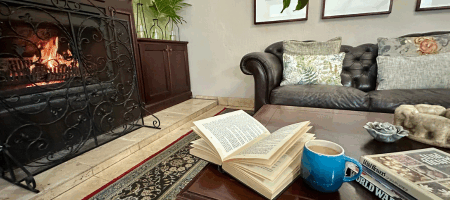
A good recovery lodge stay should give you privacy without leaving you isolated. It should offer quiet without making you feel forgotten. It should support your routine without making the space feel institutional.
That balance matters. People often recover better when they feel cared for, but still like themselves. The environment should make room for rest, dignity, reassurance and ordinary human comfort.
A Final Thought Before You Arrive
A recovery lodge stay does not need to be perfect to be helpful. It needs to be steady.
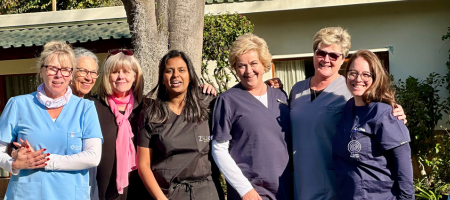
Pack the essentials. Confirm the practical details. Keep the first few days simple. Let family know what role they should play. Most importantly, give yourself permission to recover at a slower pace than you may have expected.
The right stay should feel like one less thing to manage. A calm room, a clear routine, a supportive team and practical help nearby can make the transition from hospital to home feel less daunting. That is often what recovery needs most: not pressure, but steadiness.